Stop losing money to stockouts: a practical inventory guide for SMEs
Every time you say "sorry it's finished" you're not just losing that sale. You're training a customer to check elsewhere first.
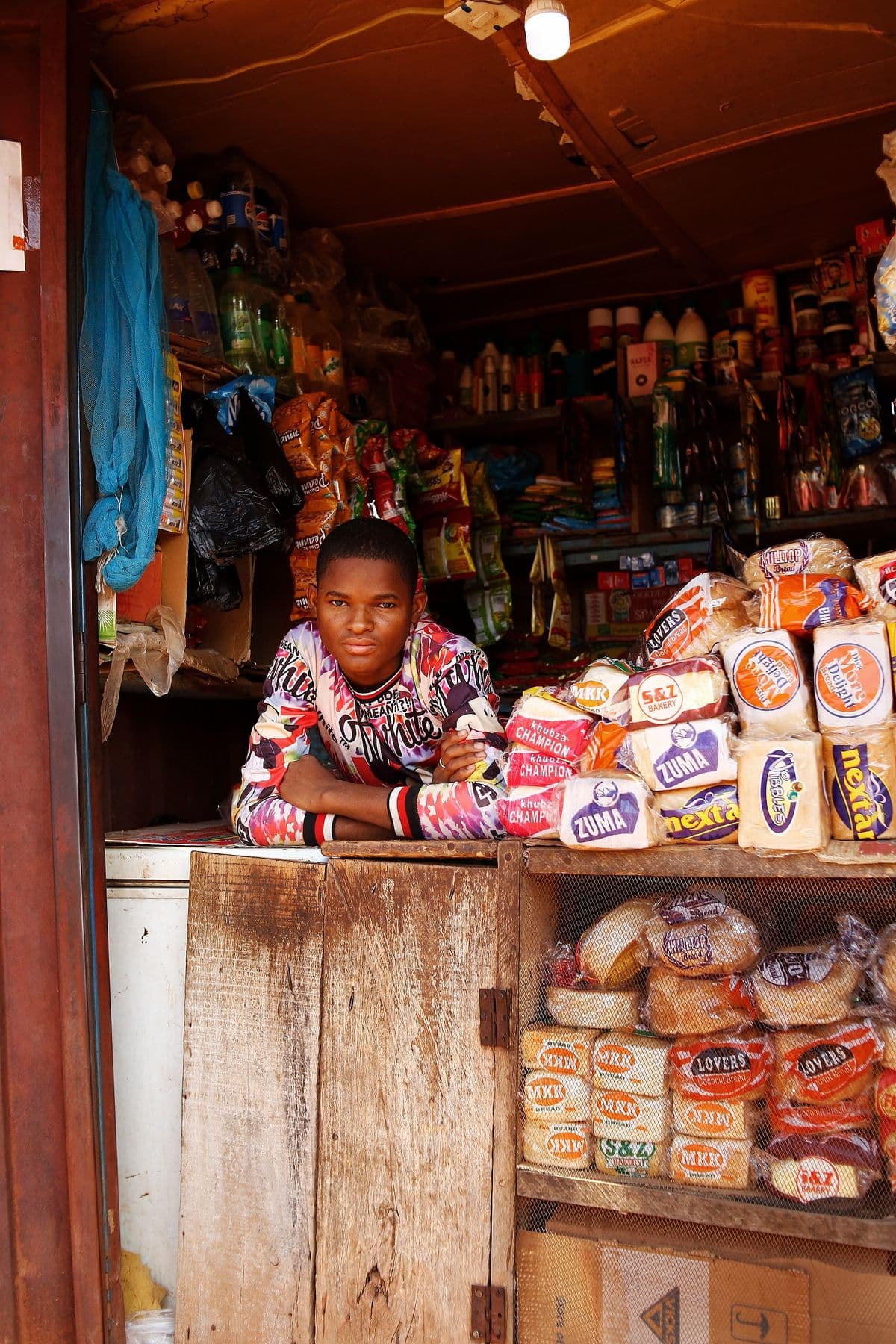
"Sorry, that one just finished."
I've said those words. Most Nigerian product sellers have. And every time you say them, you're not just losing that sale — you're telling the customer that you can't be relied on for this product. The second time it happens, they find someone who stocks it consistently and they stay there.
Stockouts are quiet. They don't show up as a loss in your dashboard. But they're costing you.
Why it keeps happening
Most sellers restock by feel. "I think the red ones are getting low." Or worse, reactively — a customer asks for something you're out of, that's when you realise you needed to order it last week.
Spreadsheets don't help at scale. WhatsApp orders don't always get recorded. You sell three units at the market on Saturday, forget to update the count, and by Monday your storefront shows stock you no longer have.
The fix isn't discipline. It's a system.
What a stockout actually costs
Let's put a number on it. Say you sell a skincare serum for ₦4,500 and you move about 20 units a month — roughly one per working day. You run out on the 22nd. Restock arrives on the 1st. Eight days of zero sales on your best-moving product.
Eight sales lost. ₦36,000 gone — not because demand dropped, but because the shelf was empty.
Now do that for three products. Every month. The number gets uncomfortable fast.
How stock alerts work
You set a low-stock threshold for each product. When the count drops below that number, you get an alert.
If your supplier takes 3 days to restock and you sell 2 units a day, your threshold should be at least 6. Set it higher if your supplier is unreliable or demand spikes during certain periods.
When the alert fires, you call your supplier. Stock arrives before you run out. The customer who would have heard "finished" never knows there was almost a problem.
Which products need the most protection
Not every stockout hurts equally. Running out of something that's 5% of your revenue is annoying. Running out of your bestseller during peak season is a crisis.
Pick your top five products by revenue. These should never, ever run dry. Keep more buffer than your formula suggests — an extra week's worth if your margins allow. The cost of holding extra stock on a high-margin product is almost always less than two weeks of lost sales.
When a customer asks for something you're out of
Don't just say "finished." Say: "I'm out right now but restocking by Thursday — want me to reserve one and message you when it arrives?"
Most sellers don't do this. The ones who do turn a potential lost sale into a confirmed future order. And if ten people ask for the same out-of-stock item in a week, you know exactly how much to order next time.
One Sunday habit
Every Sunday evening — ten minutes. Check what sold that week. Look at what's getting low. Place any orders that need to go out Monday morning.
This one review, paired with automatic alerts during the week, catches nearly every stockout before it happens. Ten minutes to protect what is probably ₦30,000–₦100,000 in monthly revenue.
Set the reminder now.
Victor Dickson
Founder, Myshoplet · Lagos, Nigeria
Victor built Myshoplet after watching Nigerian sellers lose orders managing WhatsApp manually. He writes about practical e-commerce, AI sales automation, and growing a business in Nigeria.
Ready to try it?
Create your free Myshoplet store in 10 minutes. No credit card needed.
Create free store →